


Southbury offers buyers a rare Connecticut balance: generous space, established neighborhoods, everyday conveniences, and access to the wider New Haven and Fairfield County region. For sellers, that blend creates a compelling story—but the details that matter most depend on the home, its setting, and the buyer it will serve. A thoughtful local strategy helps turn Southbury’s lifestyle advantages into a confident move.
Southbury is often on the shortlist for people who want more room to live without giving up practical access to work, shopping, dining, and the communities around them. Set in western New Haven County, it pairs wooded roads and classic New England character with a broad selection of housing styles. Whether you are planning a first purchase, moving up, downsizing, or preparing a property for sale, the best decisions start with a clear view of what makes a particular Southbury home—and its location—valuable.
Rather than treating the town as one uniform market, buyers and sellers benefit from looking closely at daily life: the commute, the condition and layout of a home, nearby amenities, outdoor space, and the feel of the immediate neighborhood. Those are the factors that shape how a house lives long after closing and how it competes when it reaches the market.
What draws buyers to Southbury
Southbury appeals to buyers seeking a setting that feels established and connected at the same time. Its landscape includes mature trees, open space, winding local roads, and neighborhoods with distinct personalities. Many buyers appreciate having room for a home office, hobbies, guests, pets, or a growing household while remaining within reach of regional employment centers and surrounding Connecticut towns.
Convenience is an important part of the equation. Everyday errands, services, restaurants, and recreation are close enough to support an easy routine, while major routes expand the practical radius for commuting and weekend plans. For buyers relocating from denser areas, Southbury can feel like a meaningful change of pace without requiring them to disconnect from the places and people they value.

The town also accommodates different stages of ownership. A buyer may be drawn to a manageable home close to amenities, while another may prioritize a larger lot, flexible gathering spaces, or a property with room to personalize over time. Comparing those needs before touring helps make the search more focused. Square footage matters, but so do storage, natural light, traffic patterns inside the home, maintenance demands, and the usability of the yard.
A Southbury home is best evaluated as a complete lifestyle choice: its location, condition, layout, and day-to-day convenience should all carry weight alongside the list price.
How to narrow a Southbury home search
Start with the non-negotiables, then leave room for tradeoffs. Buyers who need a certain number of bedrooms or a first-floor living option should identify that early. Those who work from home may put a premium on a quiet office, reliable connectivity, or a separate flex room. Outdoor priorities can range from a low-maintenance setting to space for gardening, play, entertaining, or simply a more private view.
Next, distinguish between updates you can comfortably take on and issues that deserve more caution. Cosmetic projects such as paint, lighting, or modest kitchen improvements can be an opportunity to personalize a home. Larger questions involving roofs, heating and cooling systems, drainage, septic, wells, or major structural components require a realistic budget and appropriate professional guidance. A well-prepared offer considers both the visible appeal of a property and the responsibilities that come with it.
It is also wise to visit a promising home more than once when possible. Conditions can feel different at another time of day, in changing weather, or when local traffic is more active. Notice where sunlight falls, how you would arrive and leave, what you hear outdoors, and whether the floor plan supports your normal routine. These observations help turn an emotional first impression into a practical decision.
A seller’s opportunity: make the lifestyle easy to see
Southbury sellers are not simply presenting bedrooms and bathrooms. They are presenting the experience of living in the home and the advantages of its setting. Buyers often make fast judgments about care, comfort, and value, so preparation should focus on the features that will be most meaningful to the likely audience for the property.
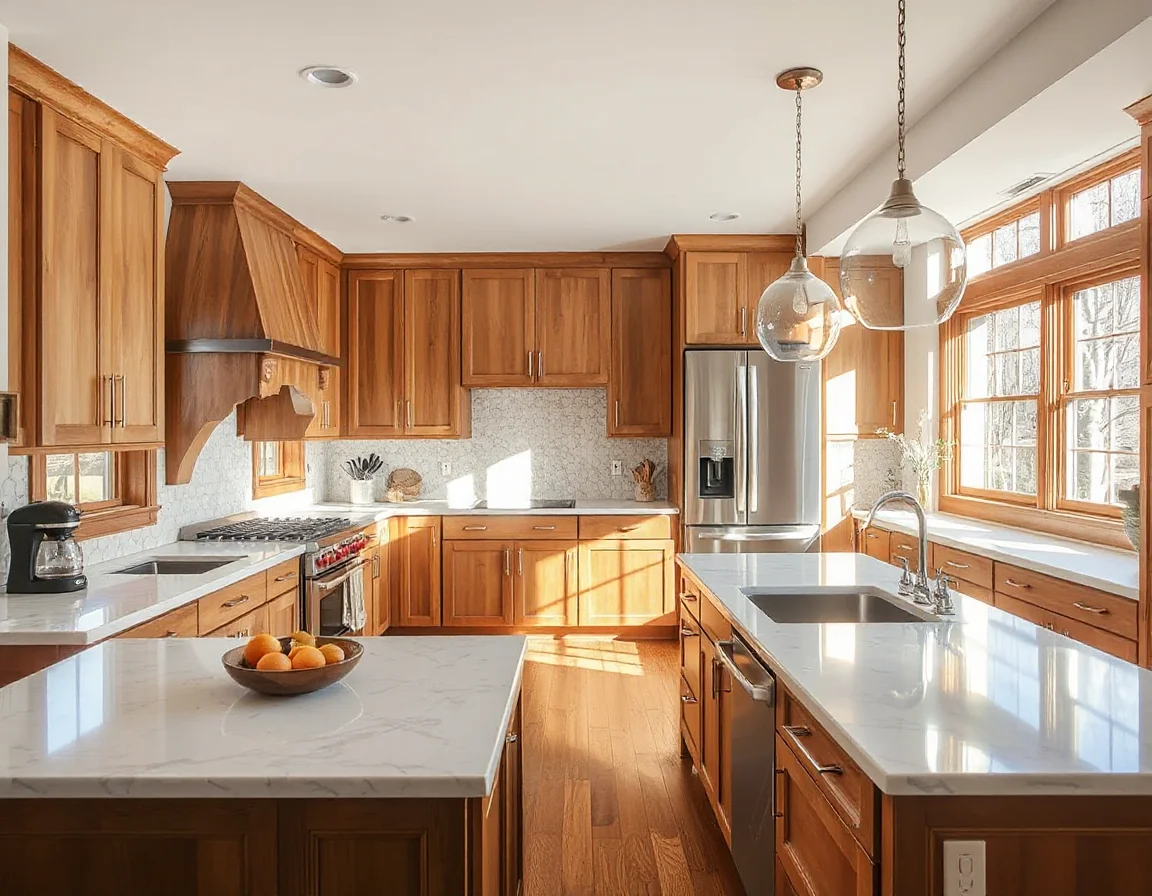
Begin with a candid assessment of condition. Deferred maintenance can distract from an otherwise attractive home, while targeted repairs can build buyer confidence. Address obvious items such as worn caulking, loose hardware, damaged screens, cluttered gutters, tired exterior trim, or malfunctioning fixtures. Then consider the rooms that influence decisions most strongly: the entry, kitchen, primary bedroom, bathrooms, and main living spaces. Cleanliness, light, and clear circulation matter more than elaborate decoration.
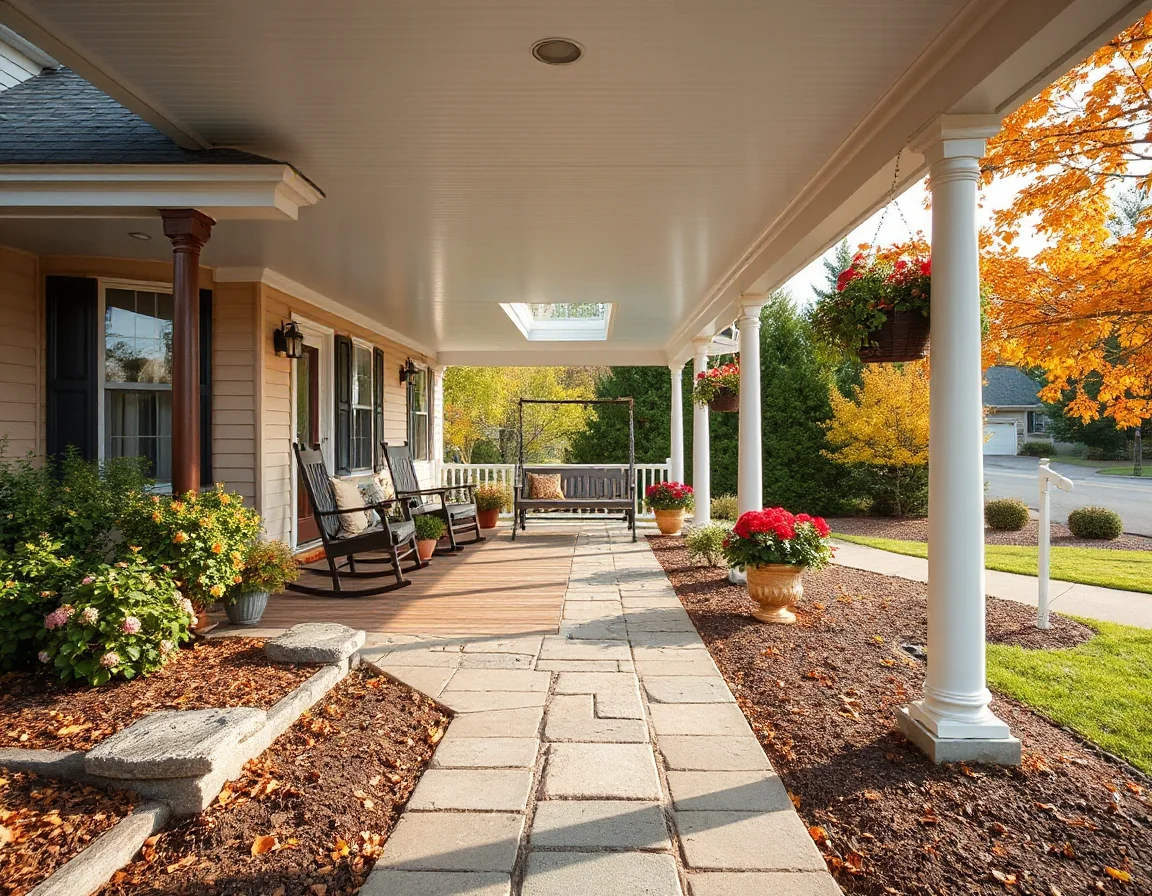
Outside, help buyers understand how the property works. Prune overgrowth that hides the house, define walkways, refresh the entry, and make patios, decks, or yards feel usable. If the home has a notable feature such as a fireplace, finished lower level, workshop, flexible office, or well-designed storage, it should be prepared and presented as a benefit—not left for buyers to discover by chance.
The strongest listing preparation is selective, not excessive. Invest first in the improvements that reduce buyer uncertainty and make the home’s best everyday features immediately understandable.
Pricing with context, not assumptions
Pricing a Southbury property well requires more than comparing it to the nearest recent sale. Even homes with similar bedroom counts can vary significantly based on their location, lot, updates, systems, layout, taxes, style, and overall presentation. A renovated kitchen may matter, but buyers will also weigh whether the home has the flexible spaces, exterior appeal, and maintenance profile they expect at that price point.
For sellers, the goal is to position the home credibly from the first day it is available. An asking price should reflect the current competition buyers can choose from, the condition of comparable homes, and the features that differentiate the property. Overpricing can limit early attention, while a thoughtful price and polished presentation invite serious buyers to engage with the value of the home.
For buyers, market awareness helps separate a home that is genuinely well positioned from one that needs additional scrutiny. Review comparable properties, ask how long similar homes have been available, and understand which attributes are difficult to replicate. A home on a desirable lot, with an appealing layout and well-maintained systems, may command stronger interest than its basic statistics suggest.
Planning a confident next move
A successful move in Southbury comes from aligning the search or sale with real priorities. Buyers should know what must be true on day one and what can evolve over time. Sellers should understand which features deserve attention before launch and which improvements are unlikely to return their cost. In both cases, a local perspective can make the process clearer, from assessing neighborhood differences to interpreting comparable homes and preparing for negotiations.
Southbury’s appeal is not limited to one type of buyer or one kind of home. Its strength is the ability to offer choices: established neighborhoods, practical convenience, room to settle in, and a Connecticut setting that supports many versions of home. With a measured plan and guidance tailored to the property, buyers and sellers can move forward with greater clarity and confidence.