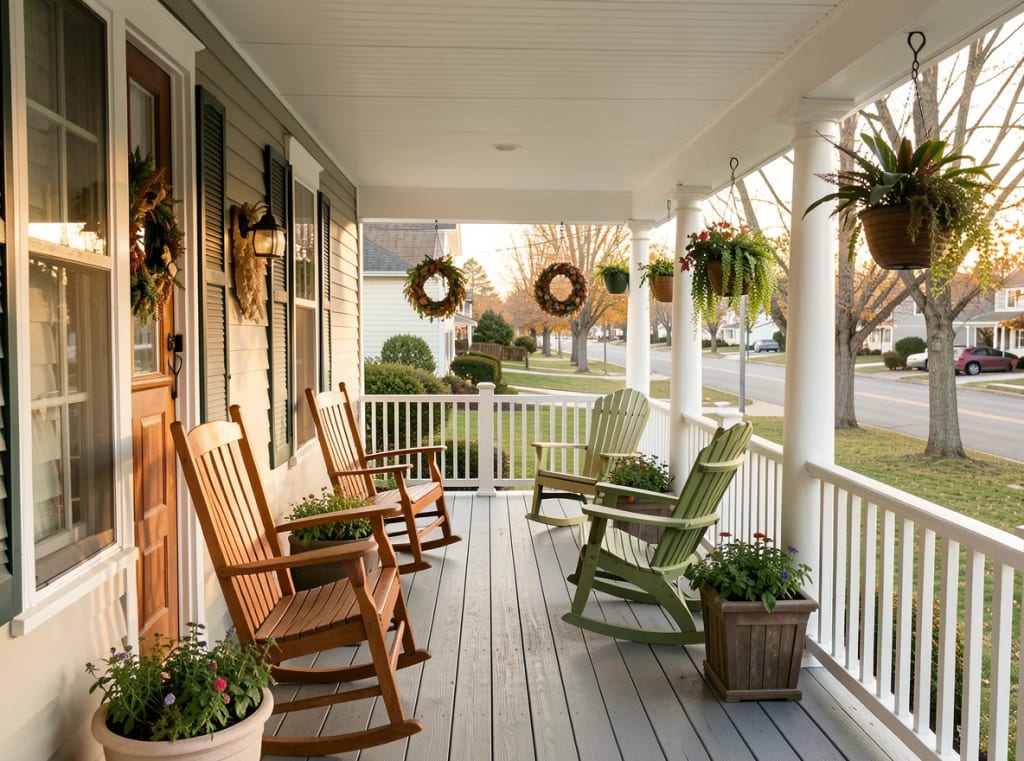
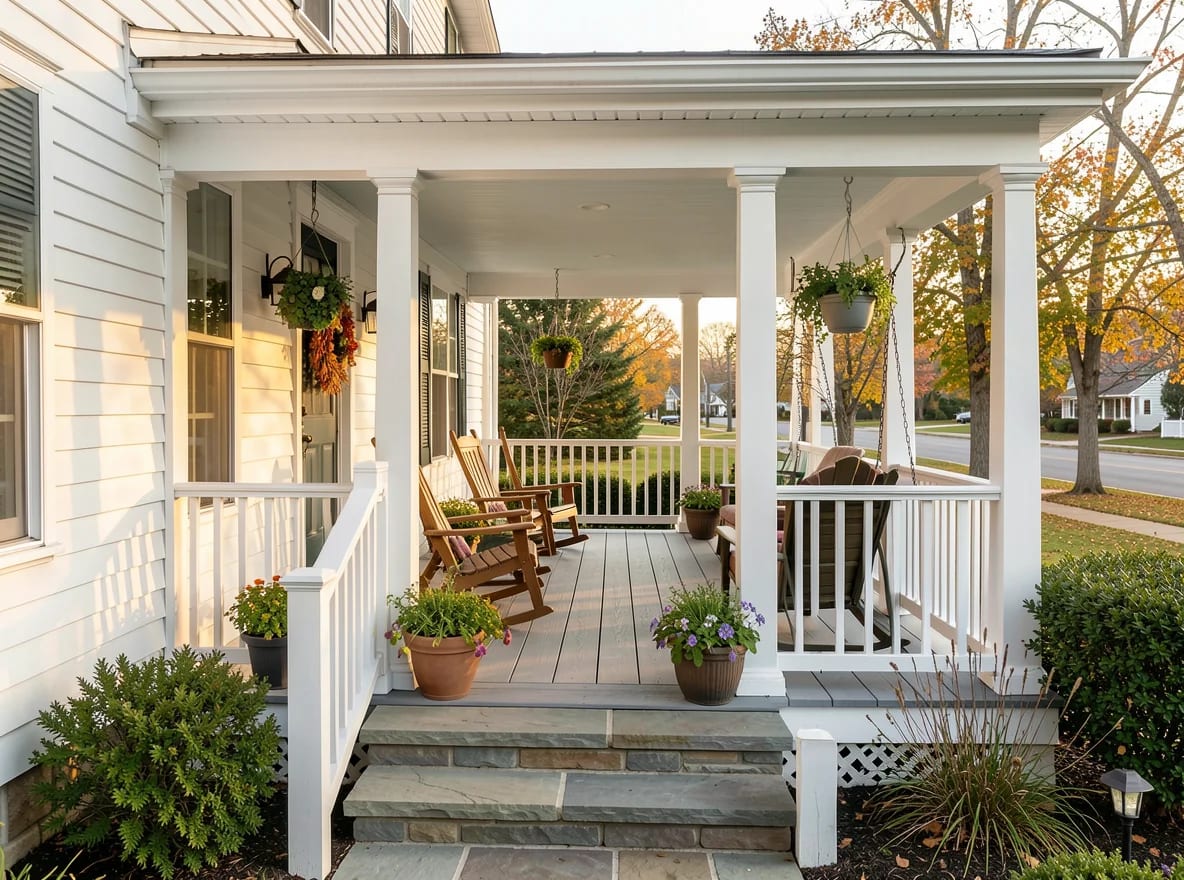

Litchfield and Woodbury offer two distinct ways to enjoy Connecticut’s small-town character, from Litchfield’s village-centered setting and cultural energy to Woodbury’s country roads, historic homes, and everyday convenience. For buyers, the right choice comes down to lifestyle, property priorities, and how each location supports your routine. For sellers, positioning a home around the qualities local buyers value can make a meaningful difference.
Choosing between Litchfield and Woodbury is less about finding a universally “better” town and more about identifying the setting that feels right for your next chapter. Both communities offer scenic roads, established homes, a strong sense of place, and access to the broader Northwest Connecticut lifestyle. Yet the experience of living in each can be quite different.
Whether you are planning a move, weighing an offer, or preparing to sell, it helps to look beyond square footage and bedroom counts. The character of the neighborhood, the condition and era of the home, nearby conveniences, and the day-to-day rhythm of the town all influence long-term satisfaction and buyer appeal.
Litchfield: Village Character with a Classic Connecticut Feel
Litchfield is often defined by its historic town green, architecturally distinctive homes, and a village atmosphere that makes an ordinary errand feel like an outing. Buyers who are drawn to period details, walkable pockets near town, and a setting with visual character frequently place Litchfield high on their list. The town’s mix of antiques, local dining, cultural destinations, and open countryside gives it a personality that feels established without being static.
Housing can range from carefully preserved historic residences to updated colonials, country retreats, and homes set on more private acreage. That variety is part of the appeal, but it also means comparison shopping requires care. Two homes with similar square footage may differ substantially in age, systems, renovation quality, road setting, and maintenance needs. A home’s story matters here just as much as its specifications.

For buyers, the practical question is how much of the Litchfield lifestyle you want close at hand. A property near the center may offer easier access to restaurants, shops, and community events, while a more rural location may provide greater separation, acreage, and quiet. Neither approach is inherently better; the value lies in matching the property to your preferred routine. Consider how often you want to be in town, how you feel about winter road conditions, and whether a historic home’s upkeep is a rewarding project or an unwelcome obligation.
For sellers, Litchfield’s appeal is often emotional as well as practical. Thoughtful presentation should spotlight the features that make the property memorable: original millwork, a gracious entry, stone walls, gardens, a flexible barn, or a connection to village life. Before listing, addressing visible deferred maintenance and clarifying recent improvements can help buyers appreciate the home’s character with more confidence.
In a character-rich market, buyers are not simply comparing homes; they are comparing the lifestyle each property makes possible. Clear information about condition, improvements, and location helps that decision feel grounded rather than overwhelming.
Woodbury: Country Living with Everyday Access
Woodbury offers its own version of Connecticut charm, with a particularly strong connection to antiques, dining, local businesses, and scenic residential roads. Buyers often appreciate that the town can feel comfortably rural while still providing an accessible daily routine. The atmosphere suits people looking for more room to spread out without giving up the ability to reach shops, services, and neighboring communities with relative ease.
The housing stock in Woodbury can appeal to a wide range of goals. You may find antique homes with authentic details, updated residences that blend traditional style with modern function, and properties with yards designed for gardening, gathering, or simply enjoying more privacy. For households moving up in space, the town’s range of home styles can create opportunities to prioritize a home office, recreation area, workshop, or outdoor living space.
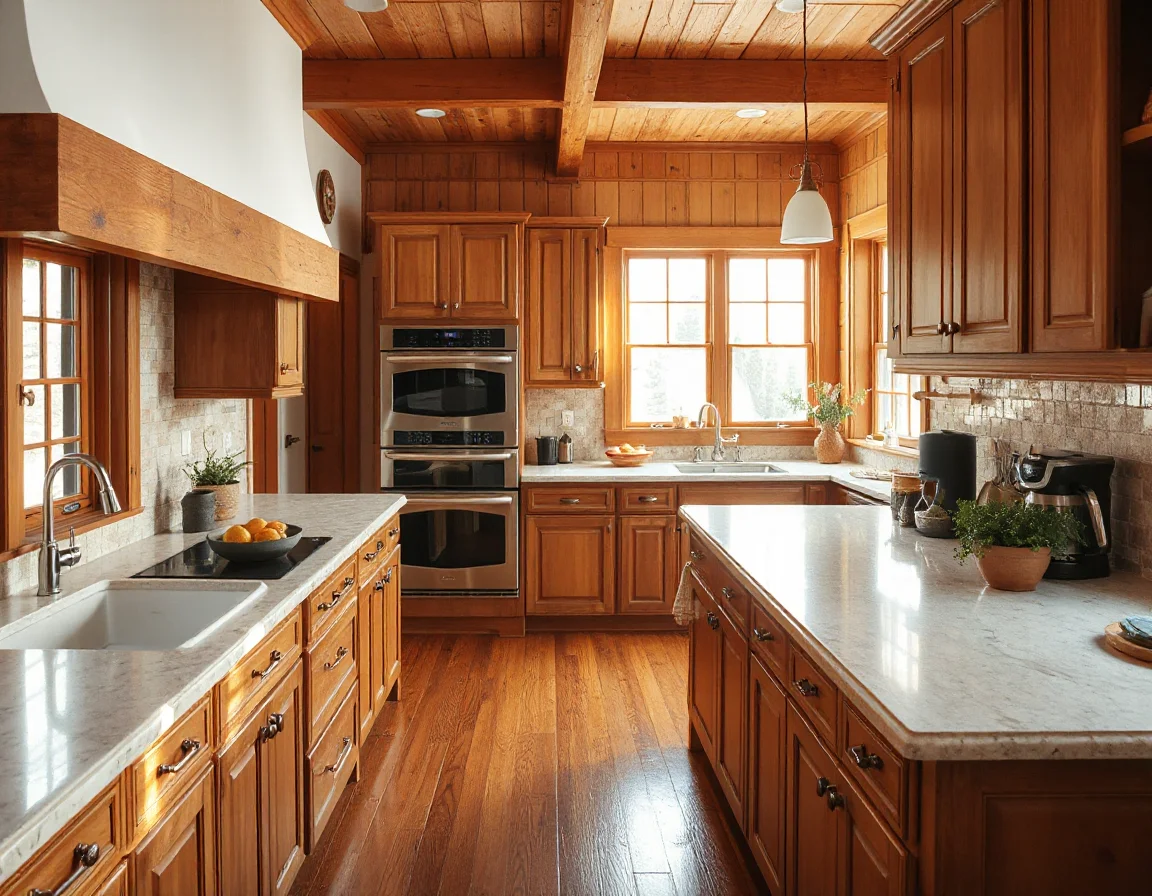
Buyers should still evaluate each home on its individual merits. A large lot may bring more privacy but also more landscaping and seasonal upkeep. A historic home can be distinctive and rewarding, while an updated home may offer a more predictable move-in experience. Review the age and condition of major systems, ask about septic and well details where applicable, and pay attention to how the home functions during the seasons you expect to enjoy it most.
Woodbury sellers can benefit from making the lifestyle easy to picture. A bright kitchen, comfortable gathering spaces, usable outdoor areas, and well-maintained grounds can all help buyers understand how the home supports everyday living. The goal is not to over-style the property; it is to remove distractions so the home’s scale, flexibility, and setting are immediately clear.
How Buyers Can Compare the Two Towns with Confidence
Start with your non-negotiables, then separate them from preferences. If you need a specific commute pattern, school arrangement, home-office setup, or level of privacy, let those practical requirements guide the search before aesthetics take over. Once the essentials are covered, compare the details that shape your experience: proximity to the village center, road traffic, lot layout, sunlight, storage, renovation scope, and the feeling of the neighborhood at different times of day.
It is also useful to revisit promising homes. A second look can reveal how rooms connect, whether outdoor spaces feel private, and where you would naturally spend time. In communities with older or distinctive homes, a detailed inspection and clear conversations about maintenance planning are especially valuable. The right home is not necessarily the newest or the most finished; it is the one whose opportunities and responsibilities fit your priorities.

When comparing available homes, focus on total value rather than a single list-price figure. Consider anticipated updates, energy use, taxes, insurance considerations, and the time required to make a property feel fully yours. A home that appears less turnkey may offer an exceptional setting and a chance to create equity through thoughtful improvements, while a more polished home may provide a simpler transition. Both can be smart choices when the numbers and lifestyle align.
The most useful comparison is not Litchfield versus Woodbury in the abstract. It is one specific property, in one specific location, measured against the way you want to live now and in the years ahead.
What Sellers Should Emphasize Before Going to Market
Sellers in both Litchfield and Woodbury should begin by seeing the property through a buyer’s eyes. First impressions matter, particularly where buyers are seeking charm, privacy, and an escape from more densely developed areas. Tidy landscaping, clean entryways, repaired exterior details, and an organized presentation of improvements can reinforce confidence from the moment a buyer arrives.
Inside, concentrate on light, flow, and function. Remove excess furnishings that obscure room size, make storage feel accessible, and prepare a concise record of meaningful upgrades. If your home has a historic element, acreage, a garden, an outbuilding, or a particularly inviting outdoor area, ensure it is visible in the marketing and easy to understand during a showing. Buyers respond best when they can connect a distinctive feature to a real benefit in their daily lives.
Ultimately, Litchfield and Woodbury both reward thoughtful decisions. Buyers who define their priorities early can move with greater clarity, while sellers who present their homes honestly and strategically can attract attention for the qualities that make their property stand out. With the right preparation, these neighboring Connecticut communities offer compelling paths to a home that feels both practical and deeply personal.